Walking for Peace
What a Buddhist Journey Across America Reveals
About Presence, Photography, and Ourselves
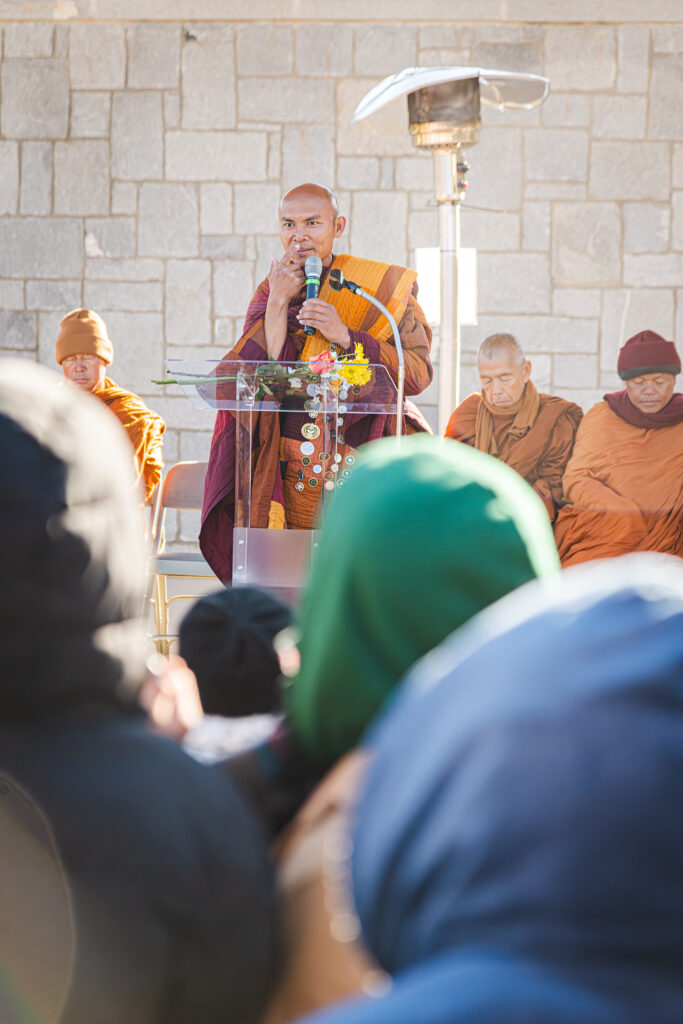
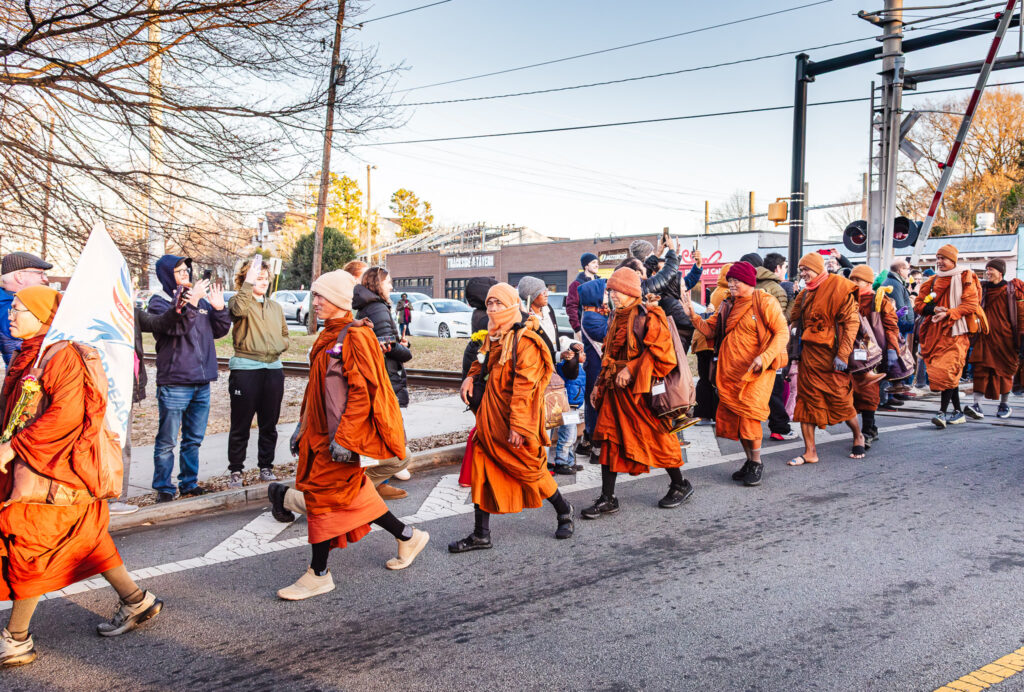
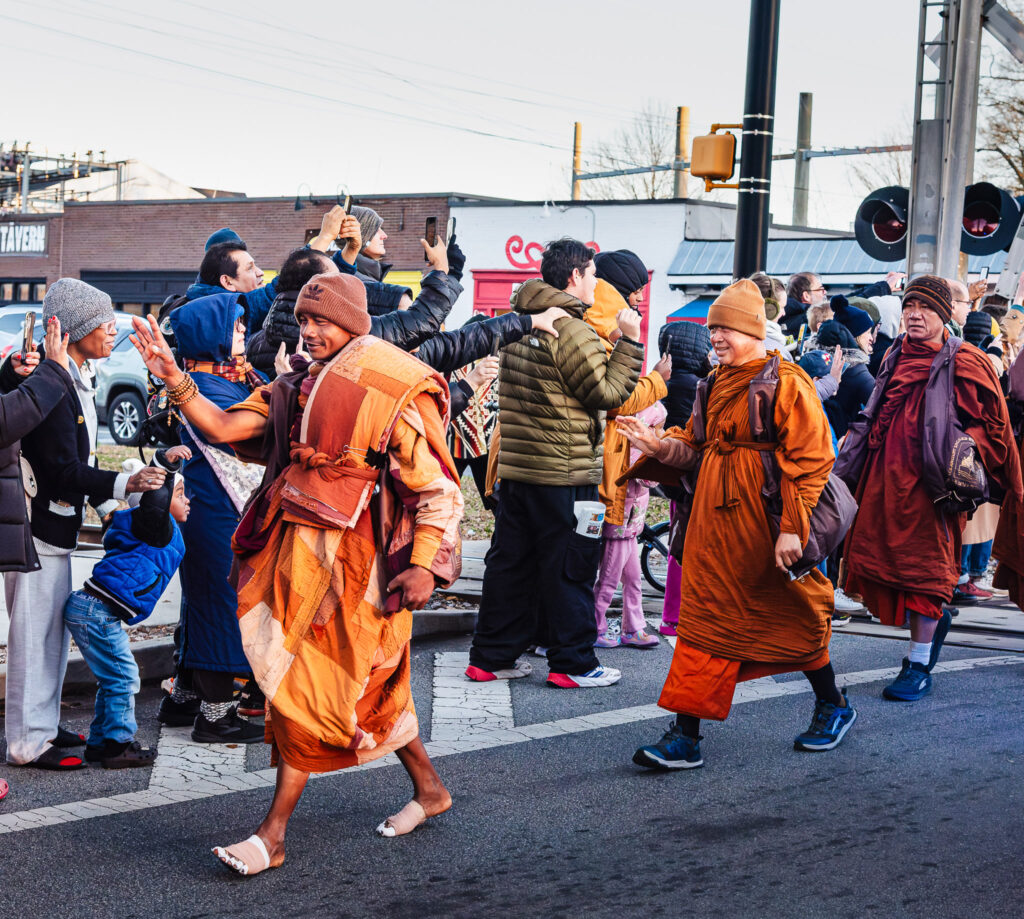
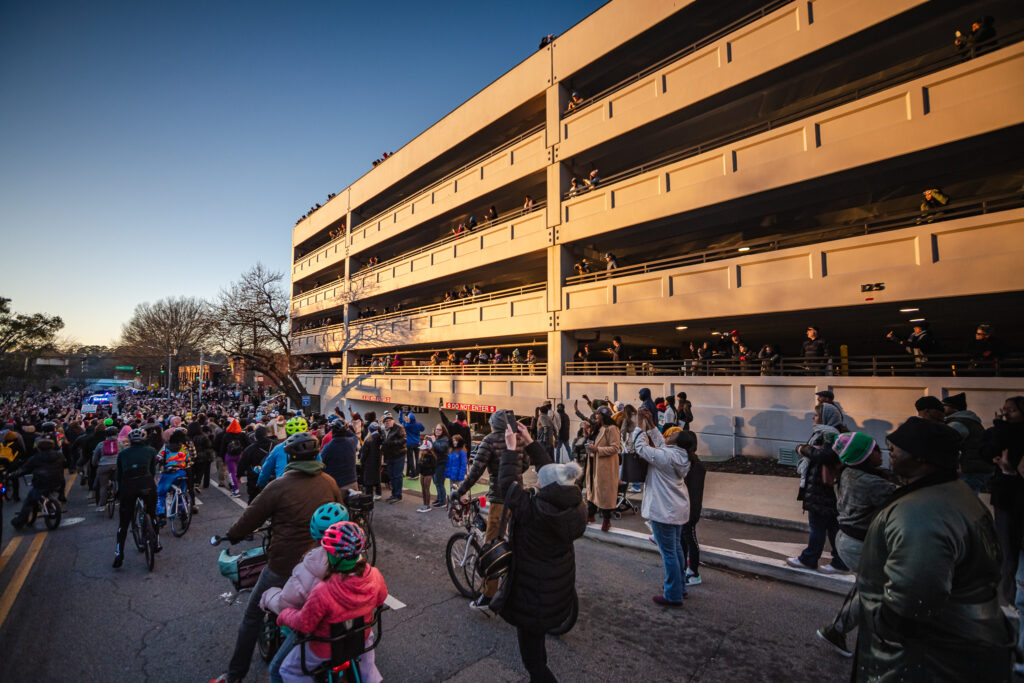
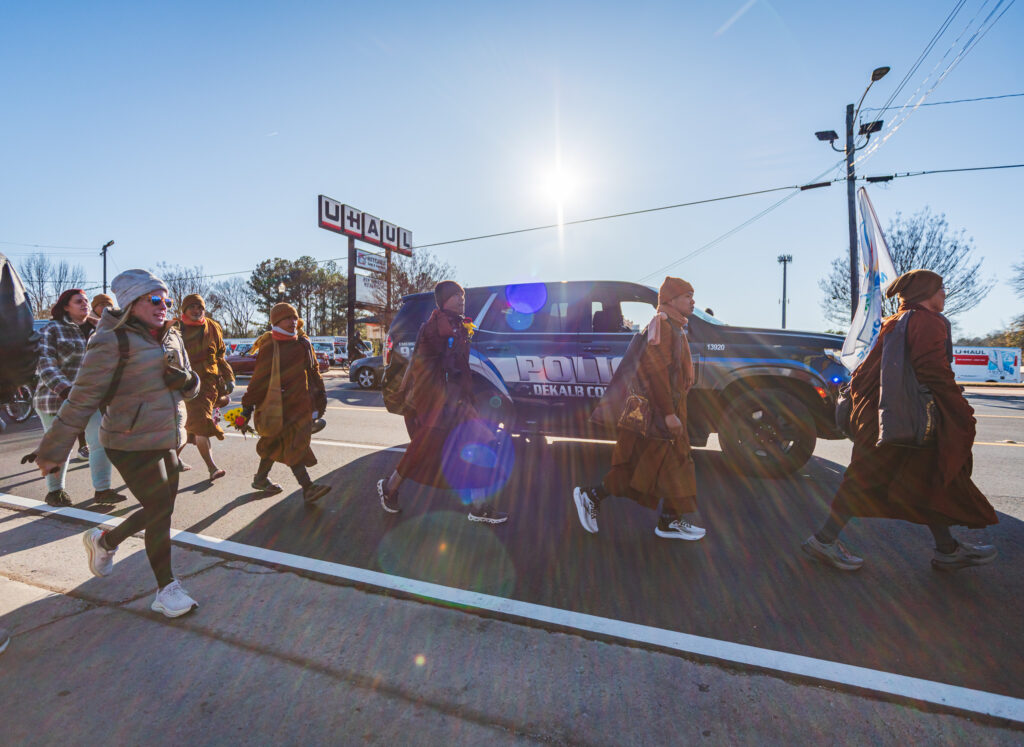
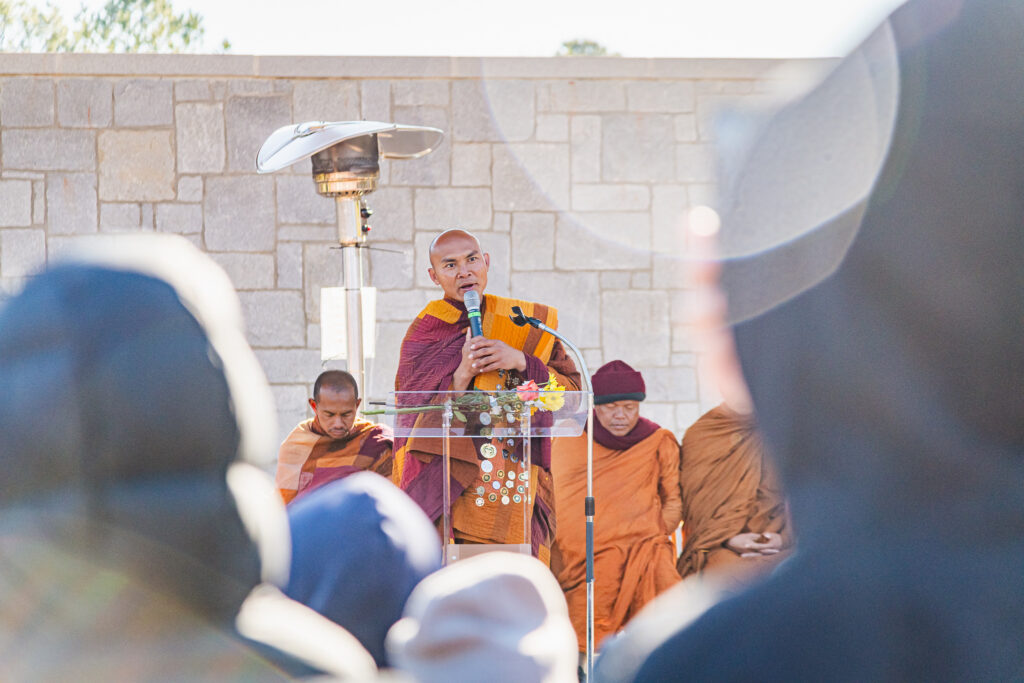
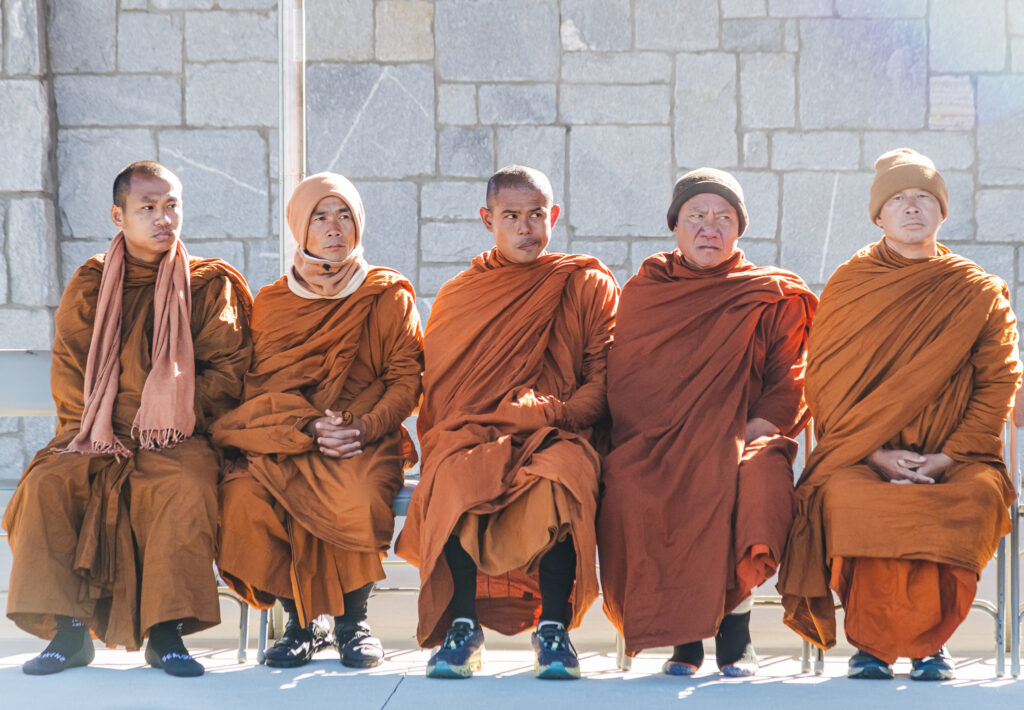
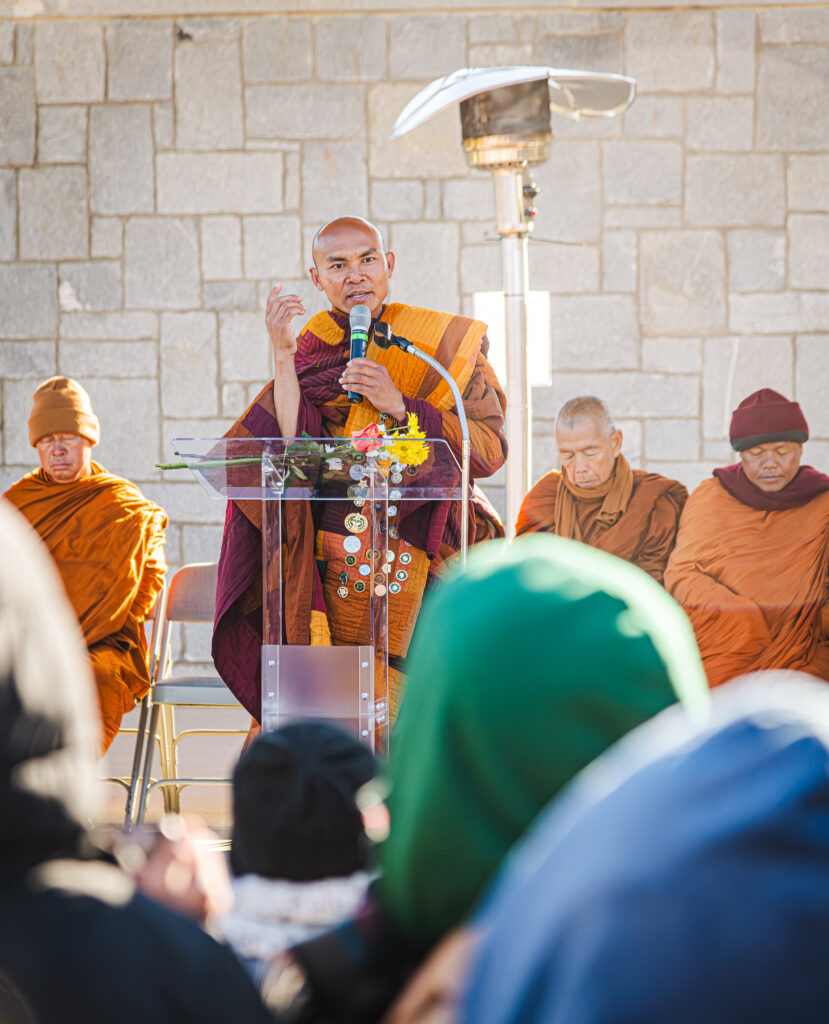
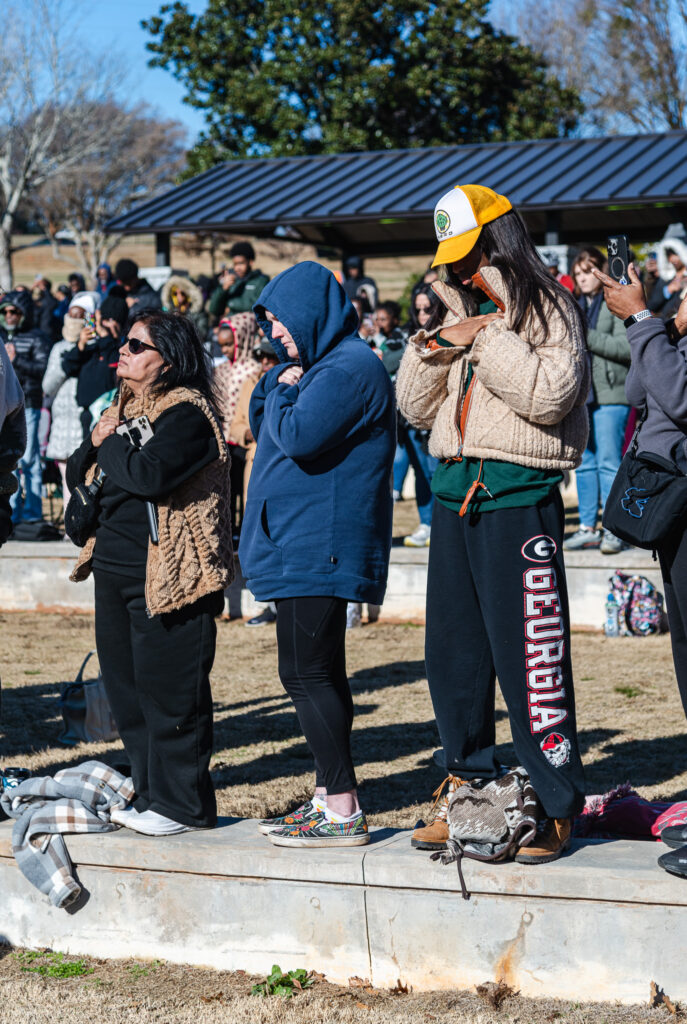
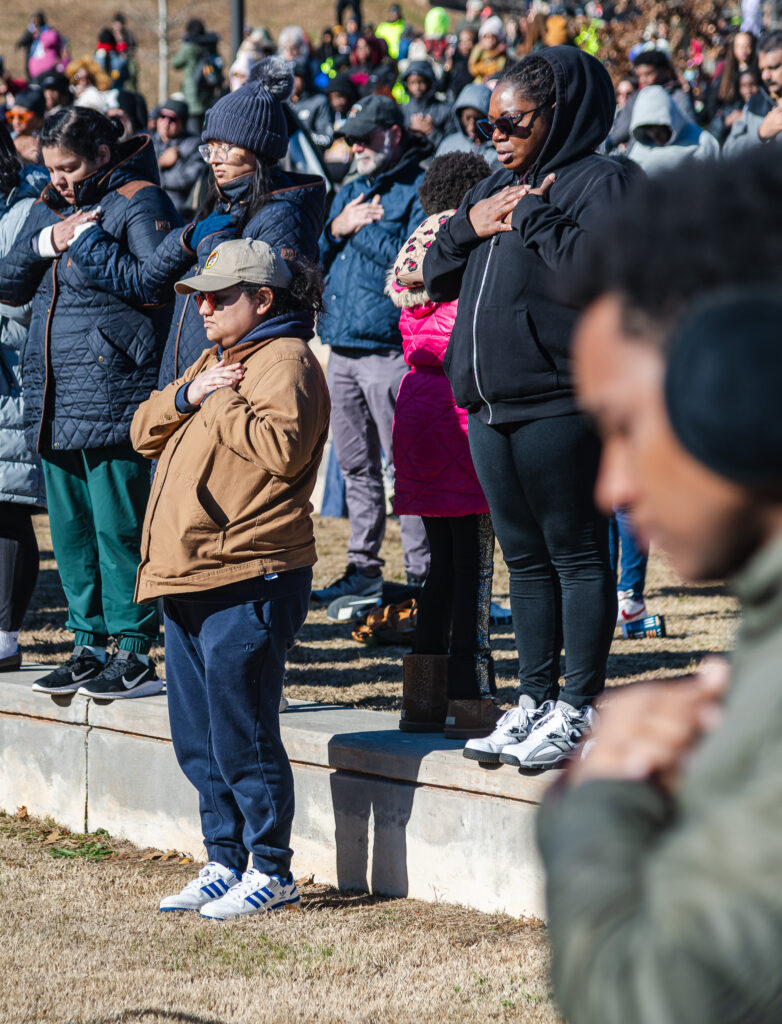
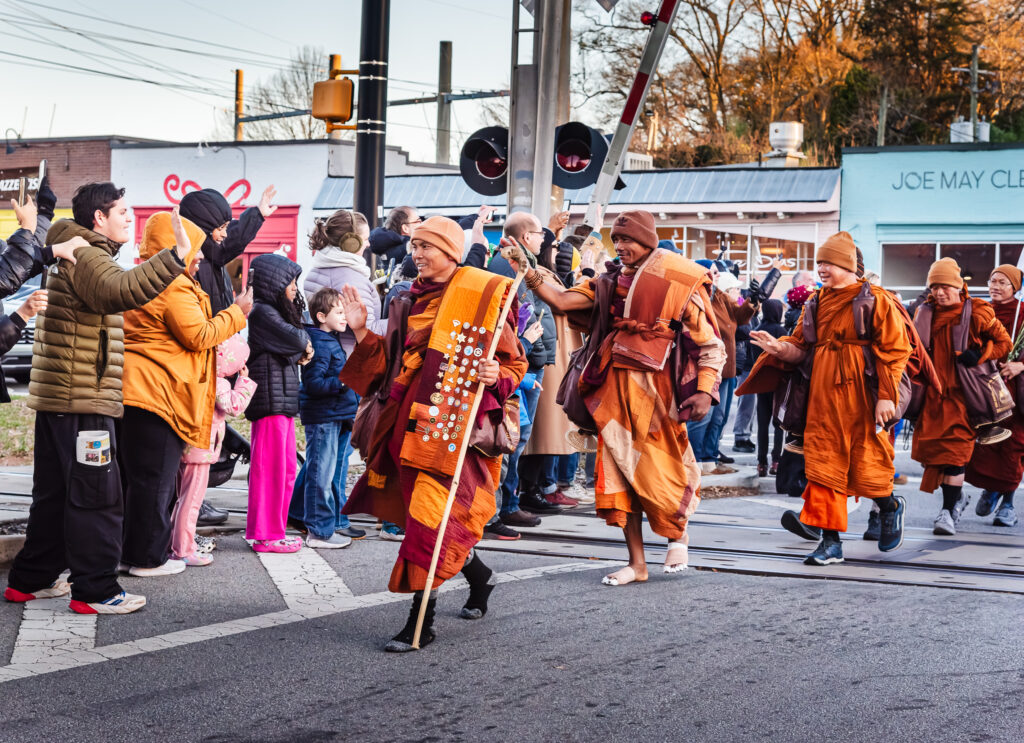
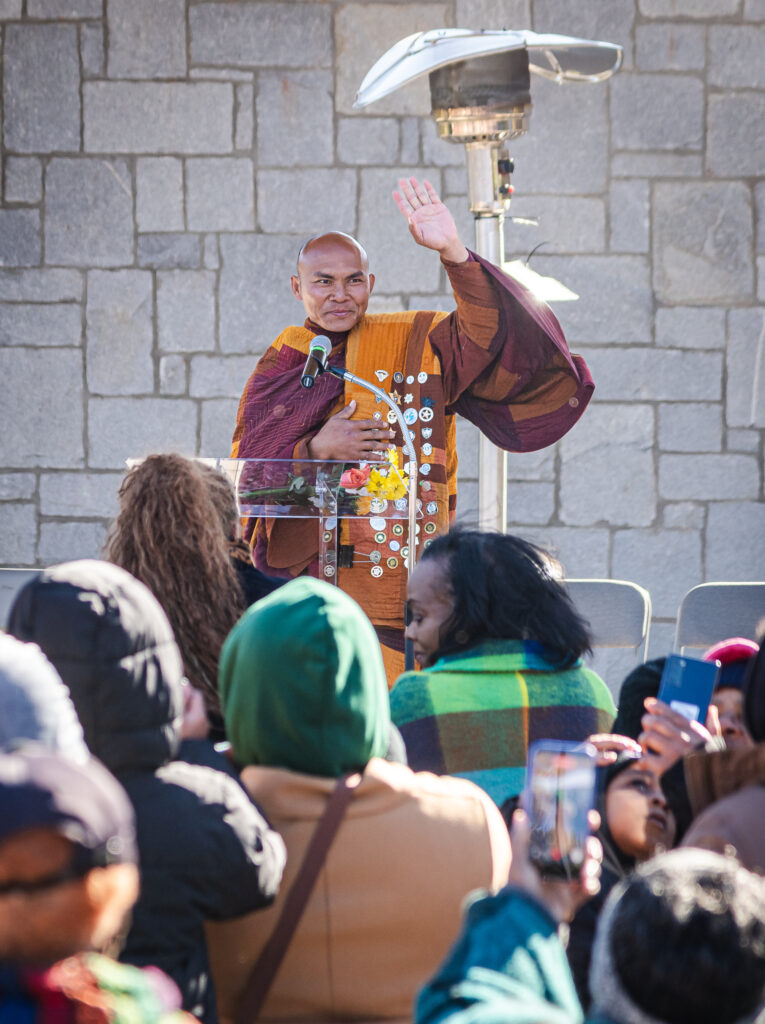
In recent months, a small group of Buddhist monks has been walking across the United States with a simple message: peace.
No stages. No megaphones. No demands.
Just a deliberate, human-scale journey—one foot in front of the other—through a country that feels increasingly fractured, reactive, and uneasy. In a time defined by speed, noise, and polarization, their quiet presence stands out precisely because it refuses to compete. That contrast is what makes their walk so compelling.
For many Americans, Buddhism can feel abstract or distant—something associated with temples far away or ideas that don’t quite translate to daily life here. But the principles behind this walk are not foreign at all. They are deeply practical. And, in many ways, they mirror the way I approach photography.
Peace, Explained Without the Incense
At its core, Buddhism is not about belief so much as observation.
It begins with a simple recognition: much of our suffering comes from reactivity—our constant pulling toward what we want and pushing away what we don’t. The practice, then, is learning to see clearly, respond intentionally, and cultivate compassion—both inwardly and outwardly.
Peace, in this framework, operates on two levels.
The first is inner peace: the ability to remain present and grounded even when circumstances are uncertain or uncomfortable.
The second is communal peace: how that internal steadiness shapes the way we treat others, especially those who see the world differently than we do.
The monks’ walk embodies both. It’s a public act rooted in private discipline. A reminder that peace is not something we declare—it’s something we practice.
Photography, when done thoughtfully, works in much the same way.
Presence and the Decisive Moment
There is a quiet discipline to photography that often goes unnoticed.
When you’re waiting for a decisive moment—the alignment of light, gesture, expression, environment—you are forced into presence. You can’t rush it. You can’t manufacture it. You have to observe. Anticipate. Stay open.
Behind the lens, distractions fall away. The phone stays in your pocket. Time stretches. You become attuned to subtle shifts that most people pass by without noticing.
That state—alert, patient, grounded—is not unlike meditation.
It’s one of the reasons photography has become such a meaningful practice for me. Not because it produces images, but because of what it requires from the person making them.
Solitude, Nature, and Listening Long Enough
Some of the clearest expressions of this practice show up when I’m working in nature.
Projects like my Ivory-billed Woodpecker work require long periods of waiting, often alone, in environments that are indifferent to your schedule or expectations. The goal isn’t just documentation—it’s attentiveness.
These images aren’t really about a bird.
They’re about what it takes to notice something rare at all.
You learn quickly that presence isn’t passive. It’s an active commitment to staying with uncertainty, to listening longer than feels comfortable, to resisting the urge to fill silence with action. That patience reshapes how you see—not just landscapes, but yourself.
That is inner peace, practiced rather than proclaimed.
Photography as a Bridge Between People
Peace doesn’t end with solitude.
Some of the most meaningful moments I’ve experienced through photography have happened in conversation—often with people whose lives look nothing like mine.
One of the most powerful examples came in Bermuda, where I met Eugene, a man in his seventies who had lived his entire life on the island. On paper, we had little in common: different ages, nationalities, backgrounds, and life paths.
But photography gave us a shared language.
Spending time together, walking, talking, and working slowly, something shifted. The camera wasn’t a barrier—it was an invitation. It created space for trust, curiosity, and mutual respect. The resulting environmental portraits remain some of the most honest work I’ve made, not because they were planned, but because they were earned.
That, to me, is photography as communal peace.
Not persuasion. Not performance.
Connection.
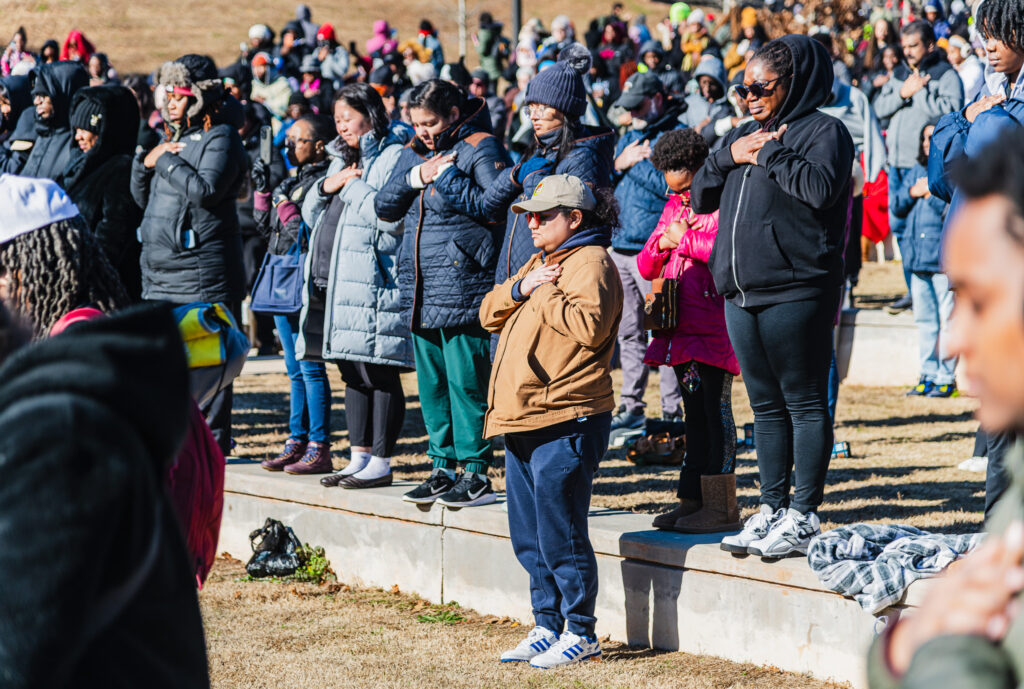
Why This Matters Now
The monks walking across America are not offering solutions or slogans. They’re modeling a way of being—one rooted in patience, compassion, and presence. Traits that have become increasingly rare in a time of overwhelming pain and suffering.
Photography, when approached with the same intention, can do something similar. It can slow us down. Help us see each other more clearly. Remind us that understanding doesn’t require agreement—only attention.
In these unsettled times, that matters.
An Invitation
If this resonates, I invite you to spend time with the work itself.
Explore the galleries. Sit with the images. Let them unfold at their own pace.
Peace doesn’t arrive all at once. It’s built—step by step, frame by frame, moment by moment.
And sometimes, the most meaningful progress happens quietly.
What You Can Do: A Small Practice for Peace
Peace doesn’t require a belief system, special equipment, or a retreat into the mountains. It starts much closer than that.
Here’s a simple practice—borrowed from Buddhist mindfulness, but entirely secular in application—that you can use anytime, anywhere:
Pause for one intentional breath.
Not a dramatic one. Just a slow inhale through the nose, and a steady exhale. Let the breath finish completely before moving on.
Notice what’s actually in front of you.
The quality of the light. The expression on someone’s face. The sounds in the room. This isn’t about judging or fixing—just seeing.
Respond, don’t react.
Whether you’re speaking, photographing, emailing, or deciding what comes next, let that brief moment of presence inform your action.
That’s it.
It may feel almost too simple, but simplicity is the point. The monks walking across the country are doing exactly this—repeated thousands of times. Step. Breath. Step. Breath.
Photography offers the same opportunity. Before pressing the shutter, pause. Breathe. Look again. Often, what changes isn’t the scene—but how clearly you’re able to meet it. Practiced regularly, these small moments of presence add up. They soften our edges. Improve how we listen. And quietly, almost imperceptibly, they change how we show up for one another.
That’s how peace grows—not all at once, but moment by moment.